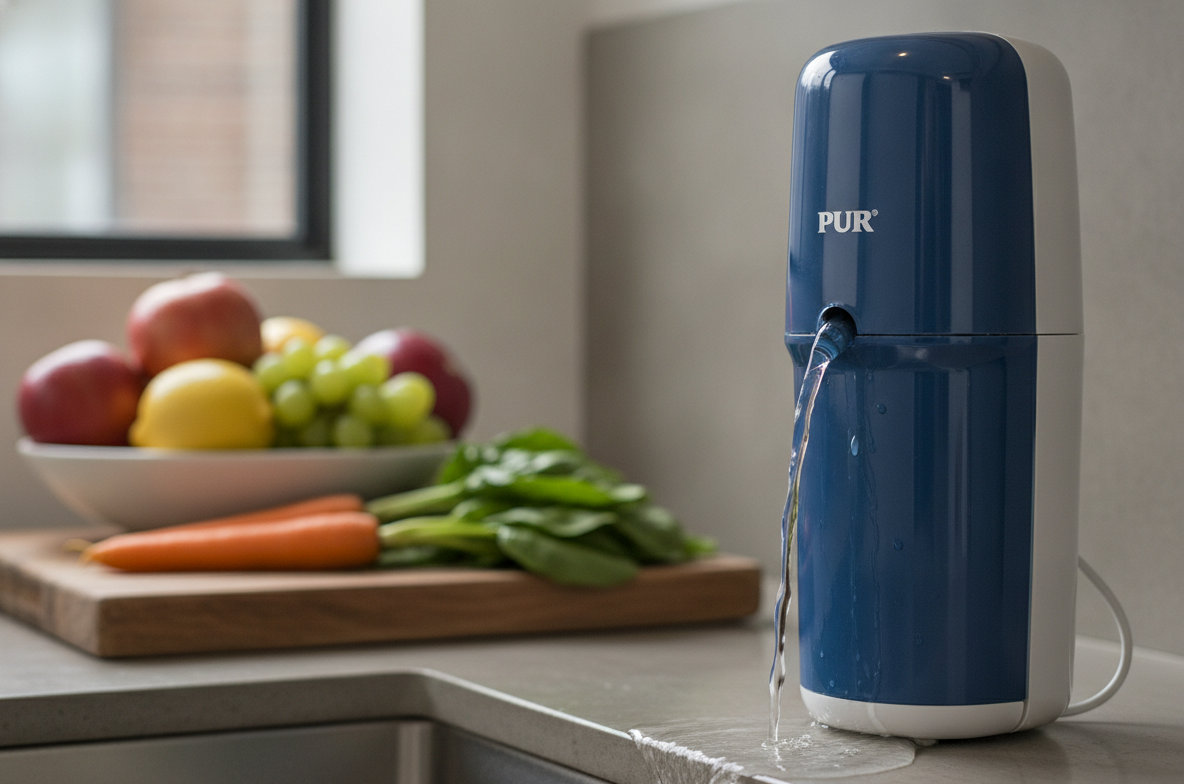
A dripping PUR faucet filter is more than an annoyance. It signals a specific issue that often has a simple fix. Identifying the exact source of the leak is the first step toward stopping the drip and restoring your filtered water supply. This guide breaks down common leak points for PUR faucet filters, helping you diagnose the problem and apply the right solution.
Leaks Where the PUR Faucet Filter Connects to the Faucet Spout
Leaks at the point where the PUR unit attaches to your kitchen faucet spout are among the most frequent problems. This connection relies on proper sealing and a secure fit. Several issues can cause water to drip or spray from this area.
Missing, Doubled, or Misseated Rubber Washer
The internal rubber washer creates a watertight seal between the faucet spout and the filter unit. If this washer is missing, or if two washers are accidentally stacked, the seal will fail. A washer that is twisted, pinched, or not sitting flat within its groove will also lead to leaks.
Fix: Unscrew the PUR faucet filter from the spout. Carefully inspect the connection point on the filter unit and inside the mounting collar for the rubber washer. Make sure only one washer is present and that it lies perfectly flat and centered in its groove. If the washer is missing, check the packaging of your PUR filter for a spare, or contact PUR customer service for a replacement. Once the washer is correctly positioned, reattach the filter unit to the faucet.
Estimated Cost: Free, if you simply reseat it or find a spare. A replacement washer might cost a few dollars if purchased separately.
Incorrect Faucet Adapter
PUR faucet mount systems ship with several faucet adapters designed to fit various faucet thread types. Using the wrong adapter, or not using one when your faucet requires it, prevents a proper seal.
Fix: Detach the PUR filter unit. Examine your faucet spout's threads. Then, compare them to the various adapters that came with your PUR system. Select the adapter that matches your faucet's threads. Screw the correct adapter onto your faucet spout first, then attach the PUR filter unit to the adapter. Make sure the rubber washer is in place before tightening.
Estimated Cost: Free, as the adapters are included with the unit.
Loose Connection
Even with the correct adapter and washer, a connection that is not tight enough will allow water to escape. Conversely, overtightening can also cause problems.
Fix: Ensure the connection is secure. Never use a wrench, pliers, or any other tool on the plastic mounting collar or housing, because overtightening can crack the plastic components. Hand-tighten until it feels snug and the leak stops, but do not force it. If it continues to leak after hand-tightening, one of the other issues mentioned, like a misseated washer or incorrect adapter, is more likely the cause.
Estimated Cost: Free.
Cracked Mounting Collar or Plastic Housing
If the plastic mounting collar or the main housing of the PUR unit is visibly cracked, especially around the connection point, water will leak regardless of how well the washer and adapter are seated. This often results from accidental impact or previous overtightening with tools.
Fix: If you find a crack, the only reliable solution is to replace the entire PUR faucet mount unit. Plastic components cannot be effectively repaired to hold water pressure.
Estimated Cost: A new PUR faucet mount unit typically costs between $20 and $40.
Leaks From the Filter Housing or Around the Cartridge
Sometimes, the leak originates from the main body of the filter unit itself, where the replaceable cartridge is inserted. This indicates an issue with the cartridge, its seal, or the housing.
Loose Filter Cartridge
A filter cartridge that is not fully seated or clicked into place will not create a complete seal, allowing water to bypass the filter and leak from the housing.
Fix: Remove the filter cartridge from the housing. Re-insert it carefully, making sure it aligns correctly and twists or pushes firmly into place until you feel it click or seat securely. Confirm it is fully engaged before turning on the water.
Estimated Cost: Free.
Damaged or Misseated O-ring on the Filter Cartridge
The filter cartridge itself contains an O-ring that seals against the housing. If this O-ring is twisted, damaged, or simply not seated correctly, water can bypass the seal and leak. Carefully remove the filter and inspect the rubber O-ring. If it appears damaged, or if the filter is old, replacing it is the best course of action. Always make sure to use genuine PUR filters. Off-brand alternatives, while sometimes cheaper, may not provide the exact fit and sealing required for leak-free operation and verified contaminant reduction. For reliable performance and certified filtration, consider the PUR Faucet Mount Replacement Filter, 5 pk., which includes five individually wrapped cartridges. Each one delivers up to 380 litres or 3 months of cleaner water, and they are certified to remove 99% lead, 96% mercury, and 92% of certain pesticides. Another excellent choice for ensuring consistent filtered water is the PUR PLUS Faucet Mount Replacement Filter 2-Pack, Lead Reduction, RF99992. These genuine PUR filters are engineered for up to 100 gallons of cleaner water and feature mineral core technology.
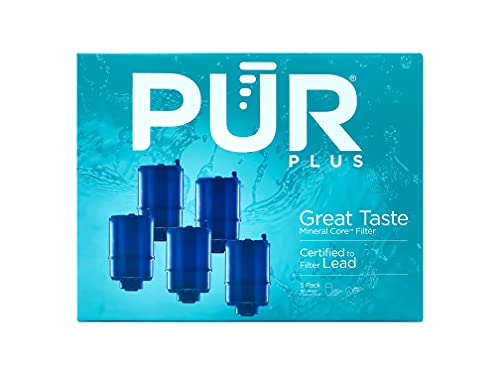
- 5 individually wrapped filters in sealed box.
- Each filter provides up to 380 litres or 3 months of filtered water.
- Certified to remove 99% lead, 96% mercury and 92% of certain pesticides.
- Reduces over 70 contaminants.

- Genuine PUR filters ensure proven performance: Off-brand filters may fit but are not certified to work.
- 6-month value of genuine PUR Plus water filter replacements: for on-demand filtered tap water. Compatible.
- Long lasting: each PUR Plus Faucet-Mounted Water Filters are engineered for up to 100 gallons of cleaner.
- Advanced 3-In-1 water filtration technology with 14-layer faucet filter design: PUR is the only brand.
Estimated Cost: The cost of a new filter cartridge (replacement filters are a regular consumable).
Cracked Filter Housing
Similar to a cracked mounting collar, a crack in the main filter housing itself, where the cartridge sits, will cause a leak. This might be due to impact, freezing temperatures, or material fatigue over time.
Fix: Visually inspect the entire plastic housing for hairline cracks. If a crack is present, the PUR faucet mount unit must be replaced, as these cracks cannot be reliably repaired.
Estimated Cost: A new PUR faucet mount unit typically costs between $20 and $40.
Water Leaking From the Diverter Valve or Switch
The diverter valve is the mechanism that allows you to switch between unfiltered tap water and filtered water. Leaks from this area indicate an internal problem with the valve.
Worn Internal Seals or Components
Over time and with frequent use, the internal seals and moving parts within the diverter valve can wear out. This degradation allows water to seep past the seals, resulting in a leak when the valve is engaged or even when it is off.
Fix: If the diverter valve is leaking due to worn internal components, the usual fix is to replace the entire PUR faucet mount unit. The diverter valve is not designed for user-serviceable repairs, and attempting to take it apart can cause further damage. If the diverter or the housing is cracked, replacing the faucet mount unit is the standard solution.
Estimated Cost: A new PUR faucet mount unit typically costs between $20 and $40.
Cracked Diverter Housing
External cracks on the plastic housing of the diverter valve will also cause leaks. These cracks can develop from impact, stress, or freezing temperatures if the unit was exposed to them.
Fix: Visually inspect the diverter valve housing for any visible cracks. If a crack is present, the entire PUR faucet mount unit must be replaced.
Estimated Cost: A new PUR faucet mount unit typically costs between $20 and $40.
Leaks From the Filtered Water Spout or Unfiltered Stream
If water is leaking directly from the filtered water spout (even when not in use) or from the unfiltered stream when the diverter is set to filter, the issue is usually internal to the unit or filter.
Clogged Filter Cartridge Causing Back Pressure
When a filter cartridge becomes heavily clogged, water flow can slow significantly. This restricted flow can create back pressure within the unit, potentially forcing water through weak seals or out of the spout in an uncontrolled manner.
Fix: If your filter is old and water flow is noticeably slow, replace the filter cartridge. A severely clogged filter can create back pressure, forcing water through weak points. Replacing it with a fresh, genuine PUR cartridge, such as those found in the PUR PLUS Faucet Mount Replacement Filter 2-Pack, often resolves this. Always follow the manufacturer's recommended replacement schedule, typically every 3 months or 100 gallons for PUR filters.
Estimated Cost: The cost of a new filter cartridge.
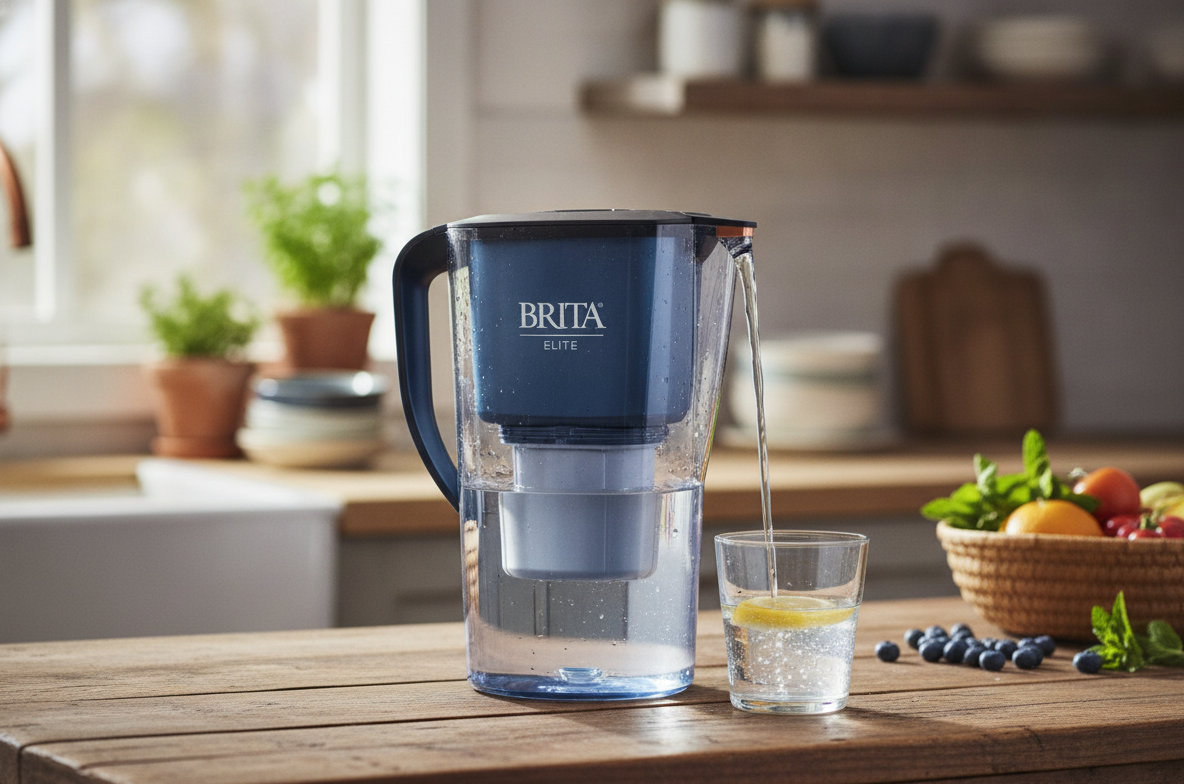
If you also use pitcher filters, learn why a Brita Elite filter runs slow and how to fix it.
Mineral Buildup
In areas with hard water, mineral deposits can accumulate inside the filter's spout or around the diverter mechanism. This buildup can obstruct water flow or prevent seals from closing completely, leading to drips.
Fix: Gently clean the filtered water spout and the diverter switch area with a soft brush and a solution of equal parts white vinegar and water. Allow the vinegar solution to sit for a few minutes to dissolve mineral deposits, then rinse thoroughly. Be careful not to force anything or use abrasive cleaners.
Estimated Cost: Minimal (cost of vinegar).
Internal Manufacturing Defect or Wear
While rare, a new unit might have a subtle manufacturing defect, or an older unit could simply have internal components that have worn out beyond what is externally visible. These issues can cause leaks that are hard to pinpoint.
Fix: For a new unit with an immediate leak, contact PUR customer support for a warranty replacement. For an older unit, if you have tried all other troubleshooting steps without success, replacing the entire PUR faucet mount unit is the most practical solution.
Estimated Cost: Free for a warranty replacement. $20-$40 for a new unit if out of warranty.
General Troubleshooting Steps for Any Leak
When troubleshooting a leak, a systematic approach can save time and frustration.
- Shut Off Water: If the leak is significant, turn off the water supply to your kitchen faucet at the shut-off valves under the sink. This allows you to inspect the unit without continuous dripping.
- Remove the Unit: Detach the PUR faucet filter from your faucet spout.
- Inspect All Parts: Carefully examine all rubber washers, O-rings on the filter cartridge, and the entire plastic housing for any signs of cracks, twists, or damage. Pay close attention to the mounting collar and the diverter valve area.
- Clean Connection Points: Use a soft cloth to clean any mineral buildup or debris from your faucet spout threads and the corresponding connection points on the PUR unit.
- Reassemble Carefully: Reattach the correct adapter (if needed) to your faucet, making sure the washer is correctly seated. Then, hand-tighten the PUR filter unit onto the faucet. Insert the filter cartridge firmly into the housing.
- Test: Turn on the water slowly and check for leaks at each connection point and from the housing.
When to Call a Plumber
Most PUR faucet filter leaks are DIY fixes. However, there are times when professional help is appropriate.
- Faucet-Originating Leaks: If the leak clearly originates from your kitchen faucet itself, not from the PUR unit or its connection, a plumber can diagnose and repair faucet issues.
- New Faucet Installation: If your existing faucet needs replacement, or if you are unsure about installing a new faucet, a licensed plumber can handle the job correctly.
Estimated Cost: A plumber's service call typically ranges from $100 to $300, plus the cost of any parts or a new faucet.